

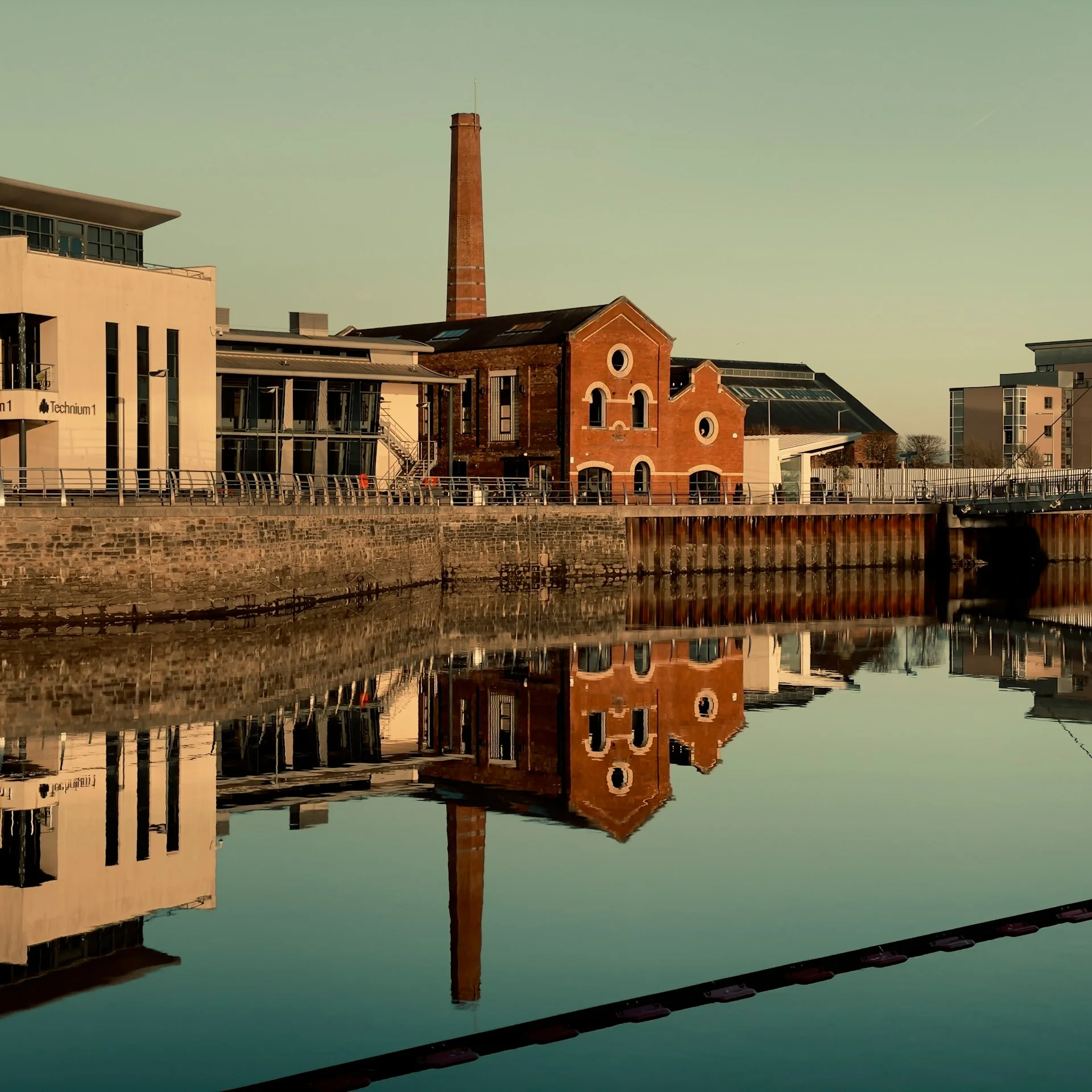
Swansea History is a fascinating story shaped by medieval conflict, maritime trade, copper production, coal mining, industry, and cultural change. Located around the River Tawe and Swansea Bay, Swansea developed from an important medieval settlement into one of Wales’ best-known industrial centres before transforming again into the modern coastal city it is today.
The history of Swansea stretches back thousands of years. Archaeological discoveries around the wider Swansea and Gower area provide evidence of very early human activity, while the medieval period established the foundations of the town that would eventually become the city of Swansea.
How Old Is Swansea?
Swansea’s history goes back far beyond the medieval town.
One of the most significant prehistoric discoveries in the wider area is the Red Lady of Paviland, whose remains have been dated to around 22,000 BC. Despite the name, the Red Lady was actually a male individual, and the remains are among Britain’s most famous prehistoric archaeological discoveries.
Over many centuries, settlements developed around the rivers, coastline and fertile countryside of the region.
Swansea’s location was particularly important because it offered:
- Access to Swansea Bay
- The navigable River Tawe
- Nearby coal resources
- Connections with the Gower Peninsula
- A natural harbour for maritime trade
- Access to important transport routes
These geographical advantages would later play a major role in Swansea’s industrial development.
Swansea During the Medieval Period
The medieval period was a crucial stage in the development of Swansea history.
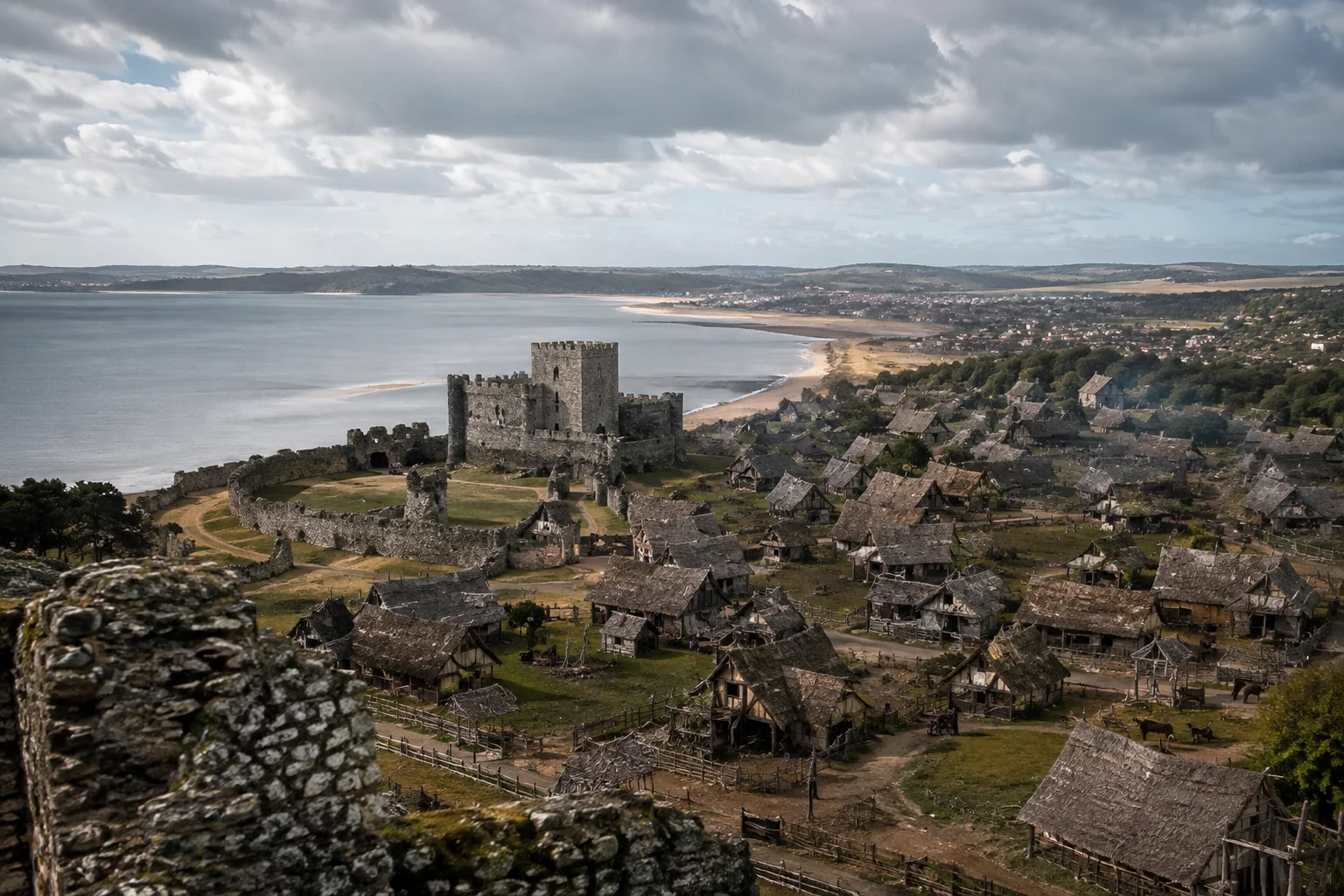
Following the Norman conquest of parts of Wales, the Lordship of Gower became strategically important. A timber castle was established at Swansea around 1106 by Henry de Beaumont, the first Norman Lord of Gower, according to Swansea Council’s historical records.
The castle was built on a naturally defensible position overlooking the River Tawe.
For approximately two centuries, control of Swansea and Gower was contested between Norman Marcher Lords and Welsh princes. The area experienced attacks, political alliances and periods of conflict.
Swansea Castle
Swansea Castle became an important symbol of medieval power.
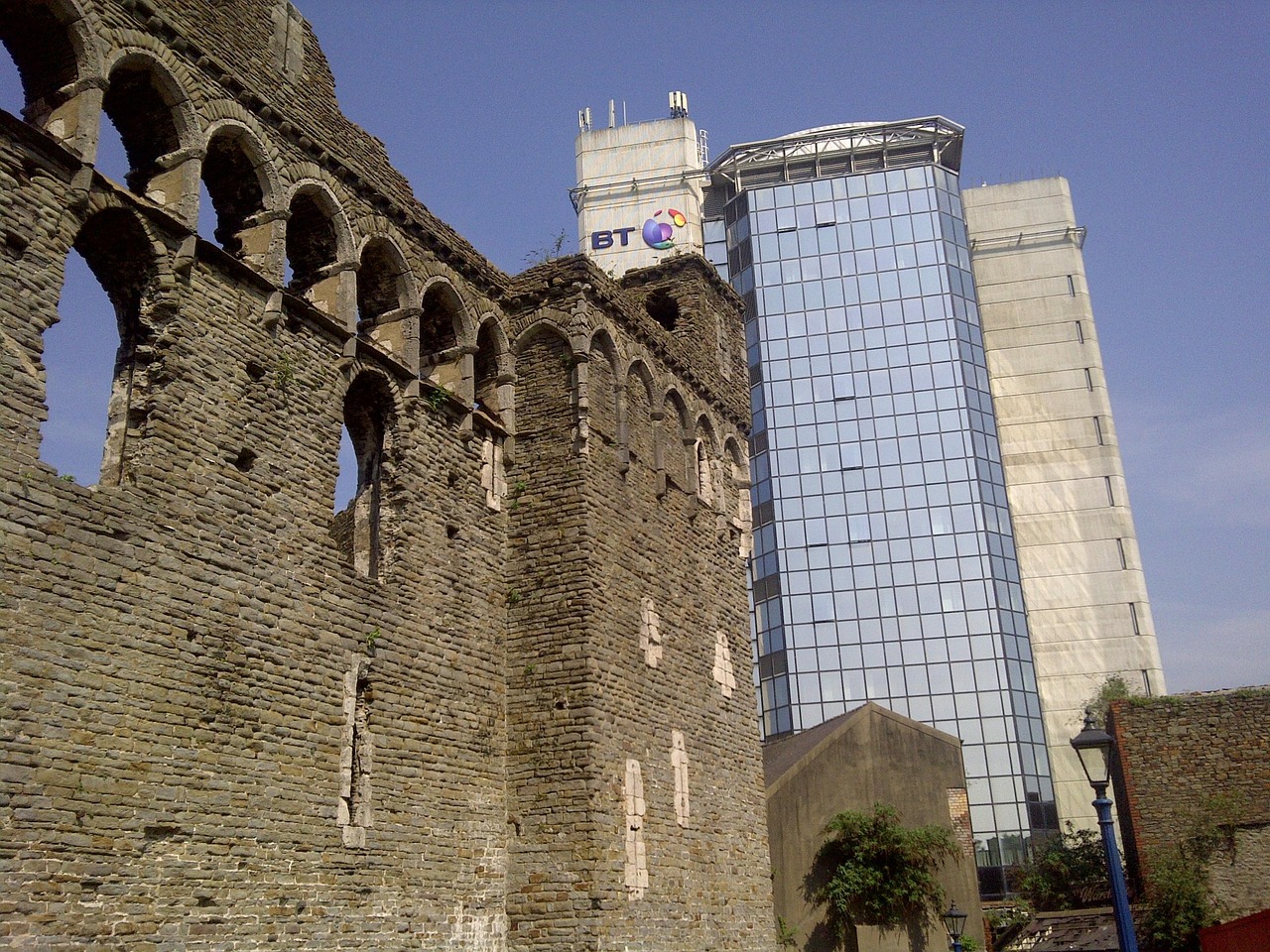
The castle survived repeated attacks and political upheaval. Supporters of Owain Glyndŵr also threatened Swansea history during the Welsh rebellion that began in 1400.
Today, the surviving remains of Swansea Castle stand in the centre of the city and provide a visible connection with this medieval past.
Oystermouth Castle and the History of Gower
Swansea history cannot be separated from the wider history of Gower.
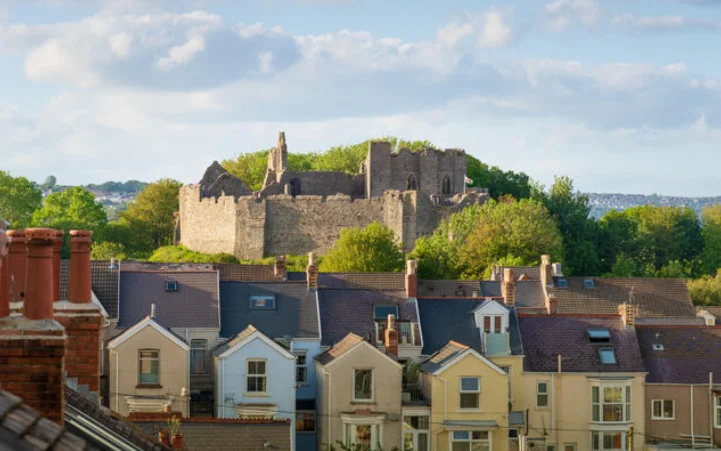
Oystermouth Castle, overlooking Mumbles, dates back to the 12th century. Its early remains include a keep dating from the beginning of that period. The castle was associated with the Marcher Lords of Gower and changed hands among powerful medieval families over the centuries.
The castle’s history includes:
- Norman expansion into Gower
- Welsh resistance
- Medieval political struggles
- The de Breos family
- The de Mowbray family
- Later aristocratic ownership
- Preservation as an important historic site
Together, Swansea Castle and Oystermouth Castle demonstrate how strategically important the region was during medieval Wales.
Swansea Becomes a Centre of Trade
Trade was already important to Swansea centuries before the height of industrialisation.
The River Tawe provided an important route for transporting goods, while Swansea Bay offered access to maritime trade.
By the Elizabethan period, the riverbanks contained loading stages and quays. Swansea history developed trading links with places including London, Bristol and Cornwall. As local industry expanded, these connections eventually reached much farther across the world.
The town’s location became one of its greatest economic advantages.
The Rise of Swansea’s Copper Industry
Perhaps no period had a greater impact on Swansea’s identity than the rise of the copper industry.
Swansea’s industrial growth accelerated during the 18th century. Copper production is generally associated with the beginning of Swansea’s major industrial development around 1717, while the first copper works in Landore were established in 1720.
Why did copper businesses choose Swansea?
The answer was largely geography.
The region had:
- Large supplies of coal
- Water from the River Tawe
- A convenient harbour
- Access to maritime transport
- Relatively close connections with copper ore supplies from Cornwall and Devon
Copper smelting required substantial quantities of coal. Swansea hostory therefore offered an attractive combination of fuel, transport and access to the sea.
By 1823, there were nine copper works in the lower Tawe Valley.
Swansea During the Industrial Revolution
During the 19th century, Swansea became one of Britain’s major industrial centres.
The city became particularly associated with copper and tinplate production. Swansea Museum describes the area as one of the cradles of the Industrial Revolution and notes its major role in global copper and tinplate production.
Industrialisation transformed Swansea in several ways.
Major changes included:
- Rapid population growth
- Expansion of housing
- Development of docks
- Growth of railways and canals
- Expansion of metal industries
- Increased international trade
- Creation of industrial communities
- Greater employment opportunities
However, industrial growth also brought serious environmental problems, particularly pollution from metal production.
Swansea’s Docks and Maritime History
The development of Swansea’s docks was closely connected to industrial expansion.
The city’s port handled coal, metals, ores and other goods, connecting Swansea with destinations around Britain and overseas.
The Swansea Canal, constructed in the 18th century, was expanded as industry grew. Later, railway development and the construction of docks increased the city’s ability to move raw materials and finished products.
Swansea’s maritime identity also extended beyond industrial shipping.
The city developed a strong connection with:
- Coal ships
- Copper-ore transport
- Fishing
- Shipbuilding
- Seafaring
- Coastal tourism
- International trade
The sea remained central to Swansea’s economic and cultural identity for generations.
The Mumbles Railway
One of Swansea’s most remarkable transport stories is the Mumbles Railway.
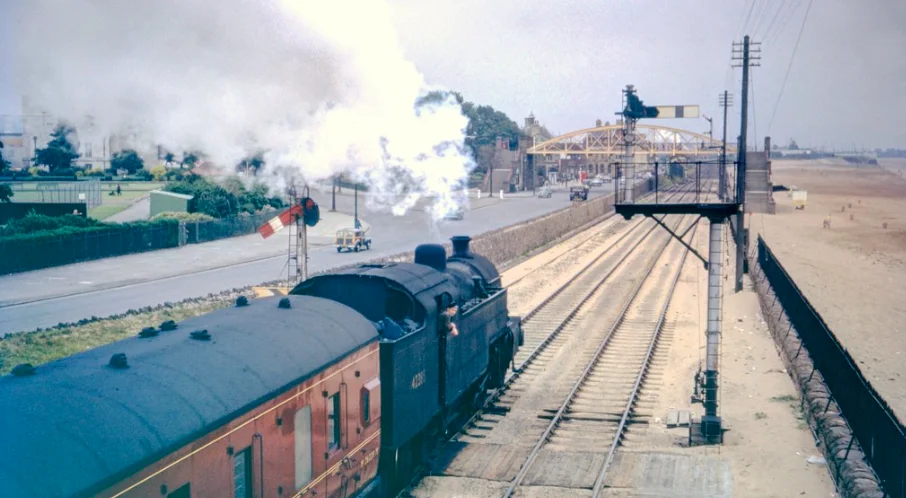
The railway is widely recognised for its pioneering role in passenger transport, with Swansea Museum recording that it began regularly carrying passengers in 1807.
The railway connected Swansea with Mumbles and became an important part of the area’s transport history.
Its legacy remains an important part of Swansea’s story as the city developed new ways of connecting communities, businesses and visitors.
Swansea’s Growing Population
Industrialisation dramatically changed the size of Swansea.
As factories, docks and other businesses expanded, workers moved into the town in increasing numbers.
Swansea history records from Swansea Council show that the population grew from approximately 13,000 in 1830 to more than 90,000 by the 1890s.
This rapid growth changed the appearance of Swansea.
New streets, houses, industrial buildings, transport networks and commercial areas appeared as the town expanded.
Swansea Market Through the Years
Markets have played an important role in Swansea life for centuries.
Historical records indicate that trading activity was established around the town long before the current market buildings existed. A covered market was recorded from 1652, while a purpose-built Market House was constructed in 1774.
As Swansea’s population increased during the 19th century, the original market area became increasingly crowded.
The development of larger market facilities reflected the rapid growth of the town and its surrounding communities.
Swansea and the First World War
Like communities throughout Britain, Swansea was affected by the First World War.
Industry became increasingly important to the war effort, while local families experienced the loss and disruption associated with the conflict.
The city’s industrial workforce and port facilities made Swansea an important part of the wider wartime economy.
Swansea histoy During the Second World War
The Second World War created one of the most difficult periods in Swansea’s modern history.
Because of its docks, industrial facilities and strategic importance, Swansea became a target for German bombing.
The Swansea Blitz caused extensive damage across the city. Swansea Museum describes the port and industrial hinterland as an obvious target for the Luftwaffe.
Swansea Castle also survived the wartime bombing, adding another chapter to the long history of the medieval building.
After the war, the city faced the enormous task of rebuilding damaged areas and modernising its infrastructure.
Dylan Thomas and Swansea’s Cultural History
Swansea is also famous for its contribution to Welsh literature and culture.
One of the city’s most celebrated figures is Dylan Thomas, who was born in Swansea in 1914.
Before becoming internationally recognised as a poet and writer, Thomas worked as a young reporter for the South Wales Daily Post in Swansea during the early 1930s. Swansea Council records note that he worked there until leaving journalism in 1932 to concentrate on poetry.
His connection with Swansea history remains an important part of the city’s cultural identity.
Visitors can explore locations associated with Thomas, including his birthplace and the Dylan Thomas Centre.
From Industrial City to Modern Swansea
The Swansea history of today is very different from the heavily industrial city of the 19th century.
Many traditional industries declined or disappeared, while the city developed a more diverse economy based on areas such as:
- Education
- Healthcare
- Tourism
- Retail
- Professional services
- Technology
- Culture
- Leisure
- Waterfront development
The transformation has also included efforts to regenerate former industrial areas and improve the environment of the Lower Swansea Valley.
The city has retained important reminders of its industrial past while developing new attractions and modern urban spaces.
Why Swansea History Still Matters
Understanding Swansea history helps explain the character of the city today.
A combination of geography, industry, trade, conflict, migration and culture shaped its development.
From medieval castles to copper works, Swansea’s story has involved continual change.
Some of the most important themes in Swansea’s history include:
- Ancient settlement in the wider region
- Medieval Norman and Welsh conflicts
- The development of Swansea Castle
- The importance of the Lordship of Gower
- Maritime trade
- Copper and tinplate production
- Coal mining
- Railway and canal development
- The growth of the docks
- The Swansea Blitz
- Dylan Thomas and Welsh culture
- Post-war rebuilding
- Modern urban regeneration
FAQ’s About Swansea History
When was Swansea founded?
There is no single date that can be described as the founding of modern Swansea because the area has been inhabited for thousands of years. The medieval settlement developed around Swansea Castle and the River Tawe, with the first Norman castle established around 1106.
What is Swansea famous for historically?
Swansea hisory is particularly famous for its copper industry, tinplate production, maritime trade and role in the Industrial Revolution. It also has a significant medieval history and strong connections with Welsh literature and culture.
Why was Swansea important during the Industrial Revolution?
Swansea had several natural advantages, including coal resources, the River Tawe and access to Swansea Bay. These helped the city become a major centre for copper smelting and other metal industries.
What happened to Swansea during World War II?
Swansea suffered extensive bombing during the Second World War because of its industrial and maritime importance. The bombing became known as the Swansea Blitz and was followed by a major period of post-war reconstruction.
What is the oldest castle in Swansea?
Swansea Castle’s first timber fortress dates from around 1106. Oystermouth Castle, overlooking Mumbles, also has early 12th-century remains and is one of the most important medieval castles in the Swansea area.
Final Thoughts
The history of Swansea is a story of constant transformation. From prehistoric settlement and medieval castles to the global copper industry, busy docks, wartime destruction and modern regeneration, the city has repeatedly adapted to changing circumstances.
Its historic buildings, museums, waterfront, markets and cultural landmarks continue to tell the story of a Welsh city that has played an important role in the history of Wales.
For anyone wanting to understand Swansea history, the best place to start is by looking at the relationship between the River Tawe, Swansea Bay, Gower and the industries that transformed the city. Together, these elements explain how Swansea grew from a medieval settlement into the diverse modern city it is today.